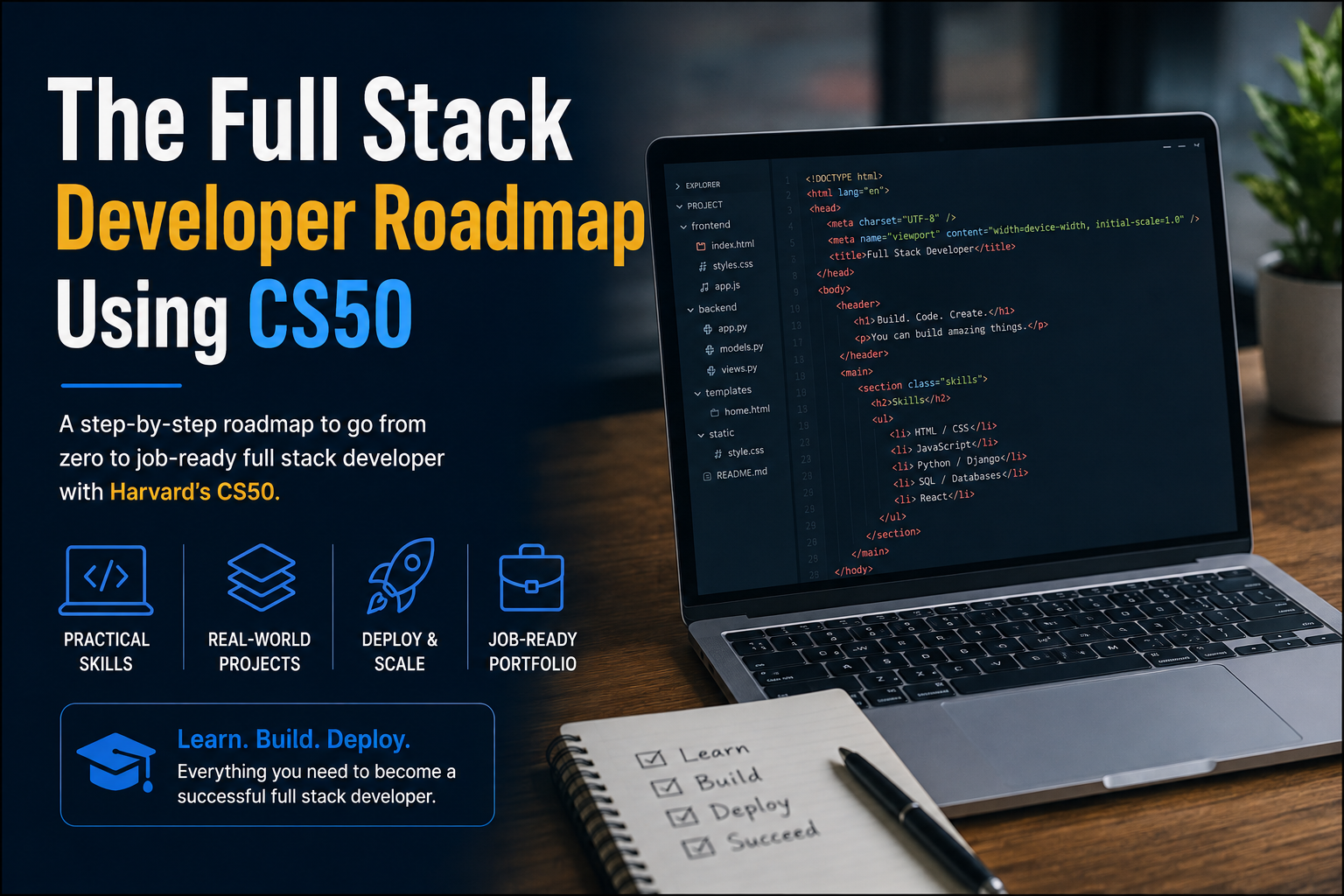
The Full-Stack Developer Roadmap I Would Follow Using Harvard’s CS50
If I had to learn full-stack development from scratch today, I wouldn’t jump between dozens of random tutorials. I would build my…
Read the article →Software Engineering · AI · Development
Sybrix builds web, mobile, backend and AI-powered products—and publishes practical engineering insights for developers and technology teams.
If I had to learn full-stack development from scratch today, I wouldn’t jump between dozens of random tutorials. I would build my…
Read the article →What we do
Sybrix ships production software—not slide decks. Each engagement is scoped around maintainability, security, and business continuity.
View all services →Custom dashboards, business platforms, and content-driven products built for real users, payments, and long-term maintenance.
Cross-platform Flutter and React Native clients designed for production constraints—offline behavior, store policies, and device diversity.
Django REST backends, authentication patterns, webhooks, and integrations that mobile and web clients can rely on under load.
Practical AI-assisted workflows and product features where automation adds value without compromising trust or maintainability.
Architecture reviews, scoping, and production-minded guidance for teams shipping under deadline and infrastructure pressure.
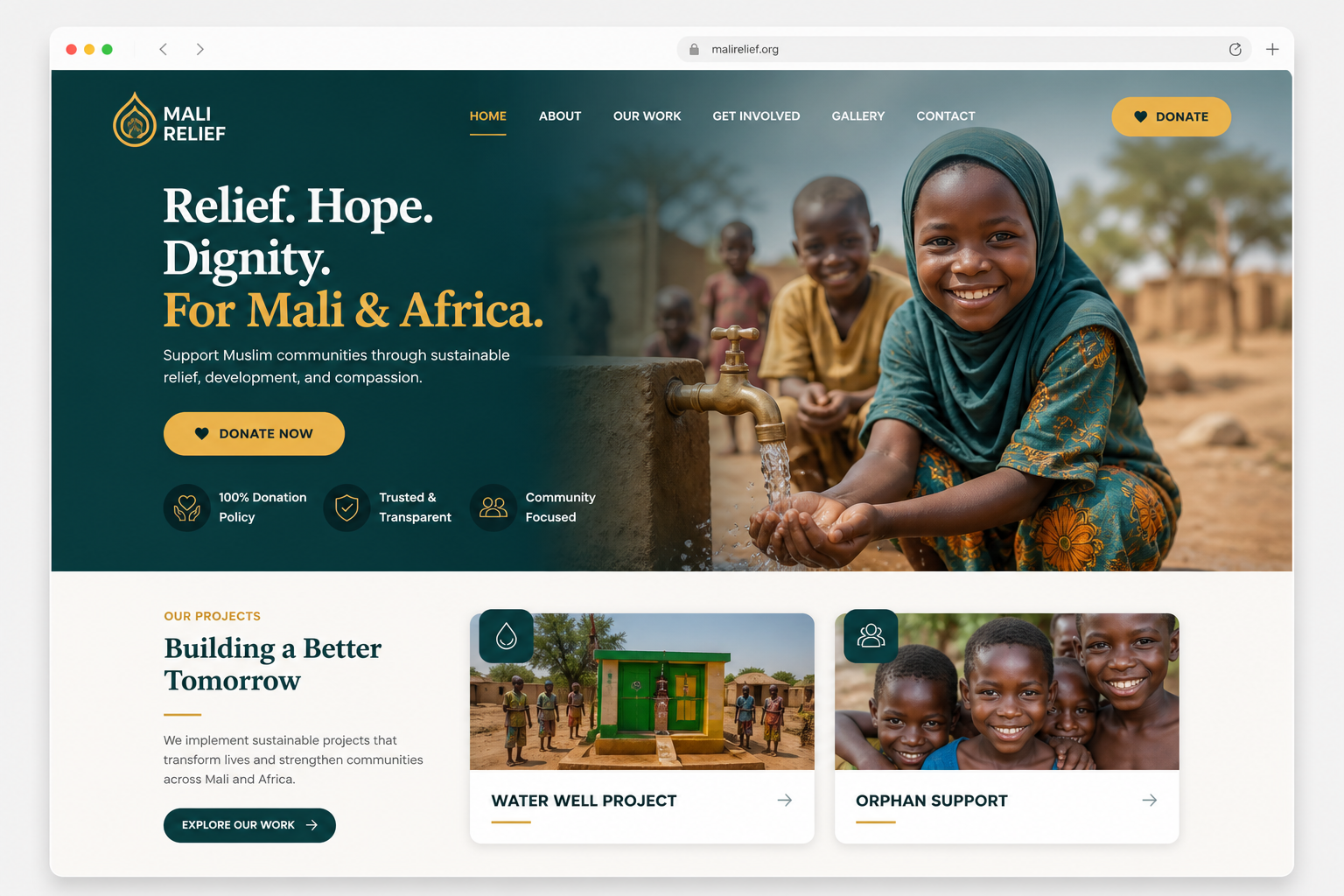
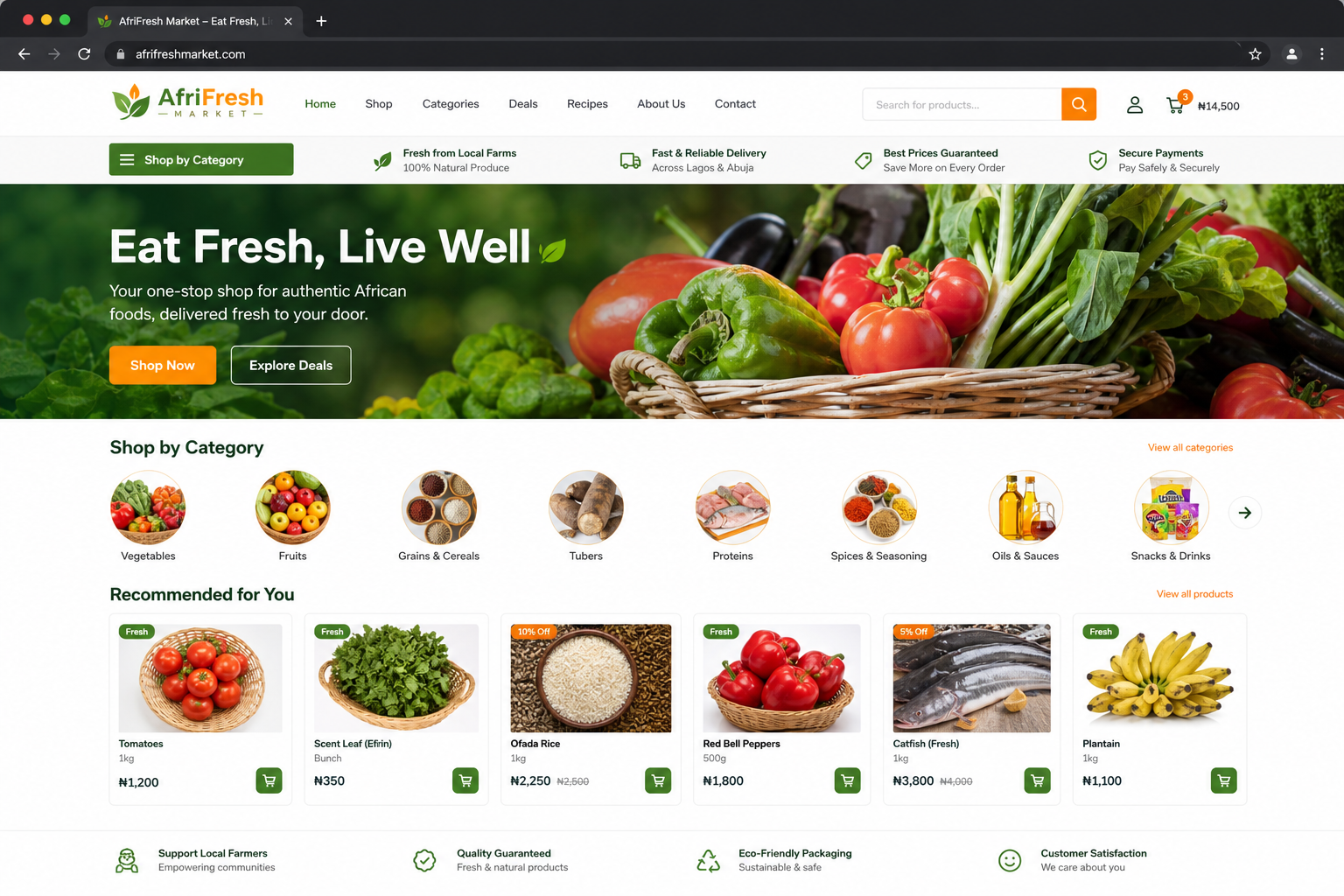
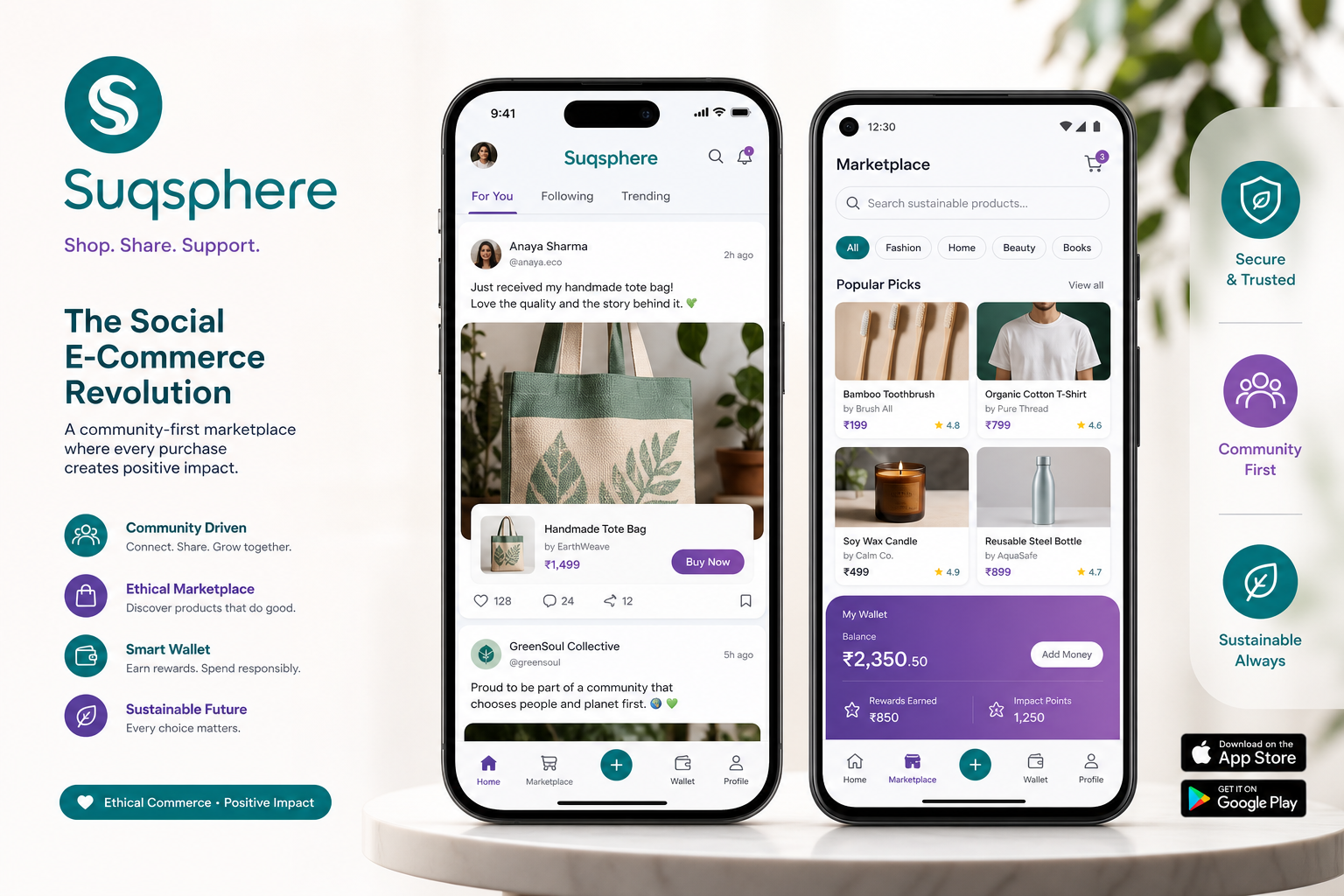
Products we're proud to have built
Learn with Sybrix
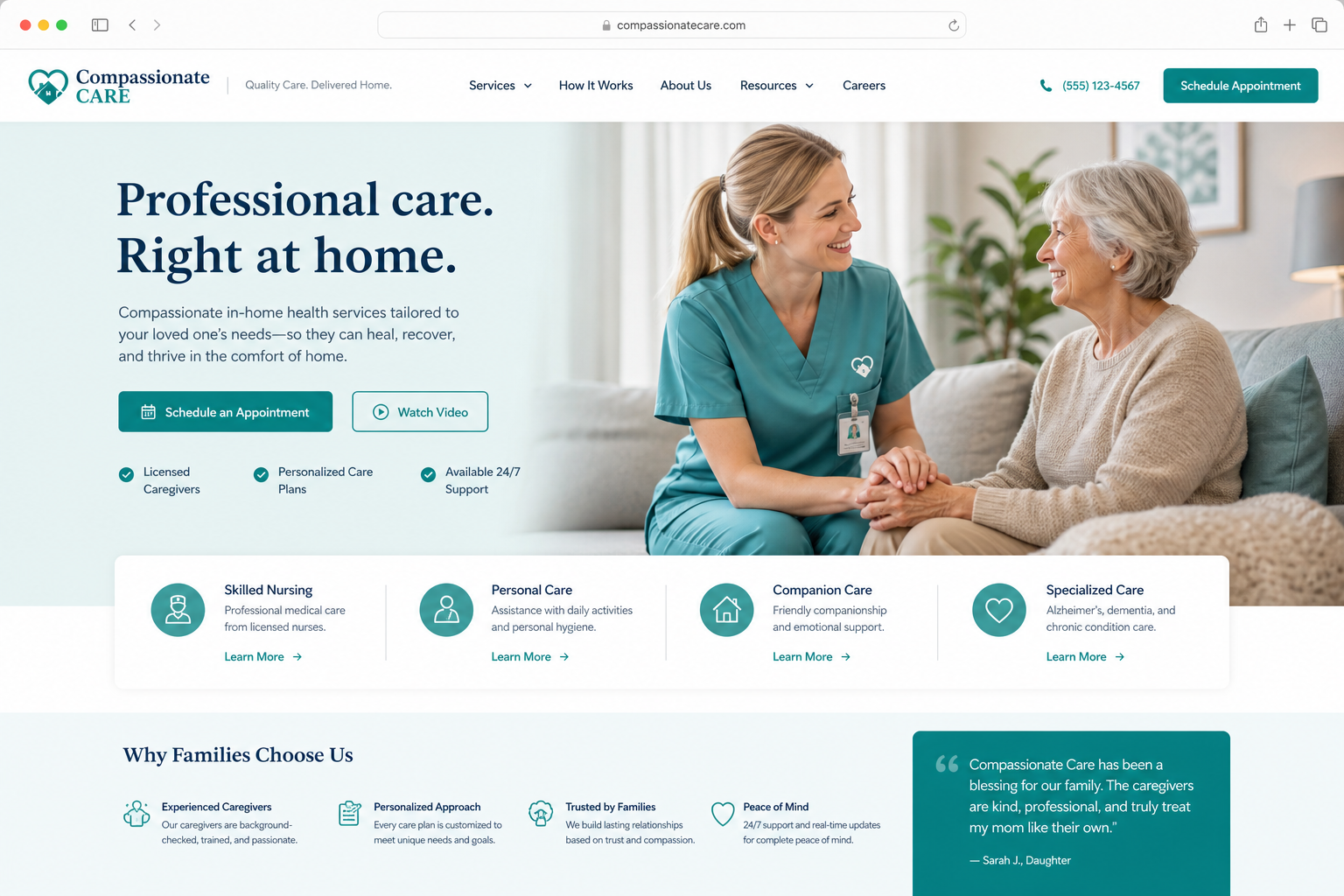
Structured Python programming for beginners and career switchers — practical lessons designed to take you from fundamentals to building real applications, with WordPress skills included for getting started in web development.

Our approach
Sybrix combines hands-on product engineering with practical knowledge sharing—helping teams ship reliable software and understand the decisions behind it.
Software is judged after launch—under traffic, payments, and support load—not in a demo environment.
Clear communication, sensible abstractions, and documentation that helps the next engineer move quickly.
Authentication, secrets handling, and data boundaries treated as core product requirements—not add-ons.
Practical engineering insights published openly—because teaching how software is built makes better products.